Introduction
When it pertains to home improvement projects, roofing replacement is one of the most substantial undertakings you'll deal with. Not just does it include significant financial investment, but it also impacts your home's safety and aesthetics. If you're contemplating this necessary upgrade, you might find yourself asking, "Do I truly need a permit for my roof replacement?" In this comprehensive guide, we'll break down everything you require to learn about authorizations, roofing policies, and how to browse them smoothly.
Understanding whether a license is needed can save you from potential headaches-- like fines or needing to redo work that doesn't meet regional codes. So grab your cup of coffee and settle in; we're about to dive deep into the world of roof permits!
Do I Truly Need a License for My Roofing System Replacement? Learn Here!
Yes, in a lot of cases, you do need an authorization for roof replacement. The requirements can differ substantially by location and the particular nature of the roof job. Normally speaking, if you're preparing to change your roofing completely or make considerable modifications-- such as changing the kind of roof product-- you'll likely need a permit.
Why Are Allows Required?
Permits are put in place to make sure safety and compliance with regional building regulations. When roofing contractors get authorizations:
- Safety Standards: They guarantee that the products used fulfill security standards. Building Codes: They validate that work follows local zoning laws and regulations. Insurance Coverage: Allows help preserve insurance protection for any possible damages during the building and construction process.
What Takes place If You Don't Get a Permit?
Ignoring license requirements can lead to:
- Fines: Local authorities may enforce hefty fines. Legal Issues: You might deal with legal repercussions if your roofing system replacement does not adhere to structure codes. Resale Problems: Future home purchasers might be hindered if they discover unpermitted work during inspections.
Understanding Regional Structure Codes
What Are Building Codes?
Building codes are sets of regulations developed by city governments. These codes dictate how structures must be built or customized within certain locations. They include various elements such as products, design standards, and safety precautions.

Why Needs to You Understand Local Codes?
Being knowledgeable about local codes is crucial since:
- It guarantees that your home remains safe and structurally sound. It assists prevent expensive errors throughout renovations. It enables you to remain compliant with legal requirements.
Types of Roofing Replacement Projects That Need Permits
Complete Roofing system Replacement vs. Partial Replacement
Complete Roof Replacement:- This generally involves removing your old roofing system totally and installing new materials. It often requires a permit due to its complexity.
- This may just involve changing areas of the roof. Some jurisdictions may not require a permit for little repair jobs however check with your local authorities first.
Changing Roofing Materials
When changing from one kind of roofing material (like asphalt shingles) to another (like metal roof), a permit is typically required.
Structural Modifications
If you're modifying the structure of your roof-- like adding skylights or altering the pitch-- an authorization is usually necessary.
The Permit Application Process
How to Request a Roof Permit?
Visit Your Local Building Department: Many cities have an online portal or physical workplace where you can start this process. Fill Out Application: Offer information about your project including materials and anticipated timelines. Submit Needed Documents: You'll likely require architectural strategies or drawings along with proof of ownership. Pay Fees: Numerous fees apply based upon project scope; be gotten ready for these costs upfront.Timeline for Approval
The approval timeline can differ extensively based on region however generally takes anywhere from several days to weeks depending on:
- Workload at the structure department Completeness of paperwork submitted
Hiring Roofer: The Importance of Experience and Licensing
Why Employ Accredited Roof Contractors?
Hiring licensed roofer makes sure:
Compliance: They are aware of local codes and allowing requirements. Quality Craftsmanship: Experienced specialists are more likely to provide quality results that stand the test of time. Insurance Protection: Certified employees usually carry liability insurance protecting you against mishaps on site.Questions to Ask Your Professional Concerning Permits
When talking to potential professionals, do not hesitate to ask:
"Are you acquainted with local allowing processes?" "Will you manage acquiring all required permits?" "Can you offer referrals from previous customers?"
Metal Roofing: Special Factors To Consider for Permitting
Is Metal Roof Different?
Metal roofs can have special factors to consider when it concerns authorizations due primarily to their weight and setup methods.
Pros:
- Longevity Energy Efficiency
Cons:
- May require extra structural support Noise throughout rainstorms
Check local guidelines regarding metal roof setups as they might enforce more stringent regulations compared with conventional products like asphalt shingles.
Assessing Your Existing Roofing system Condition Before Replacement
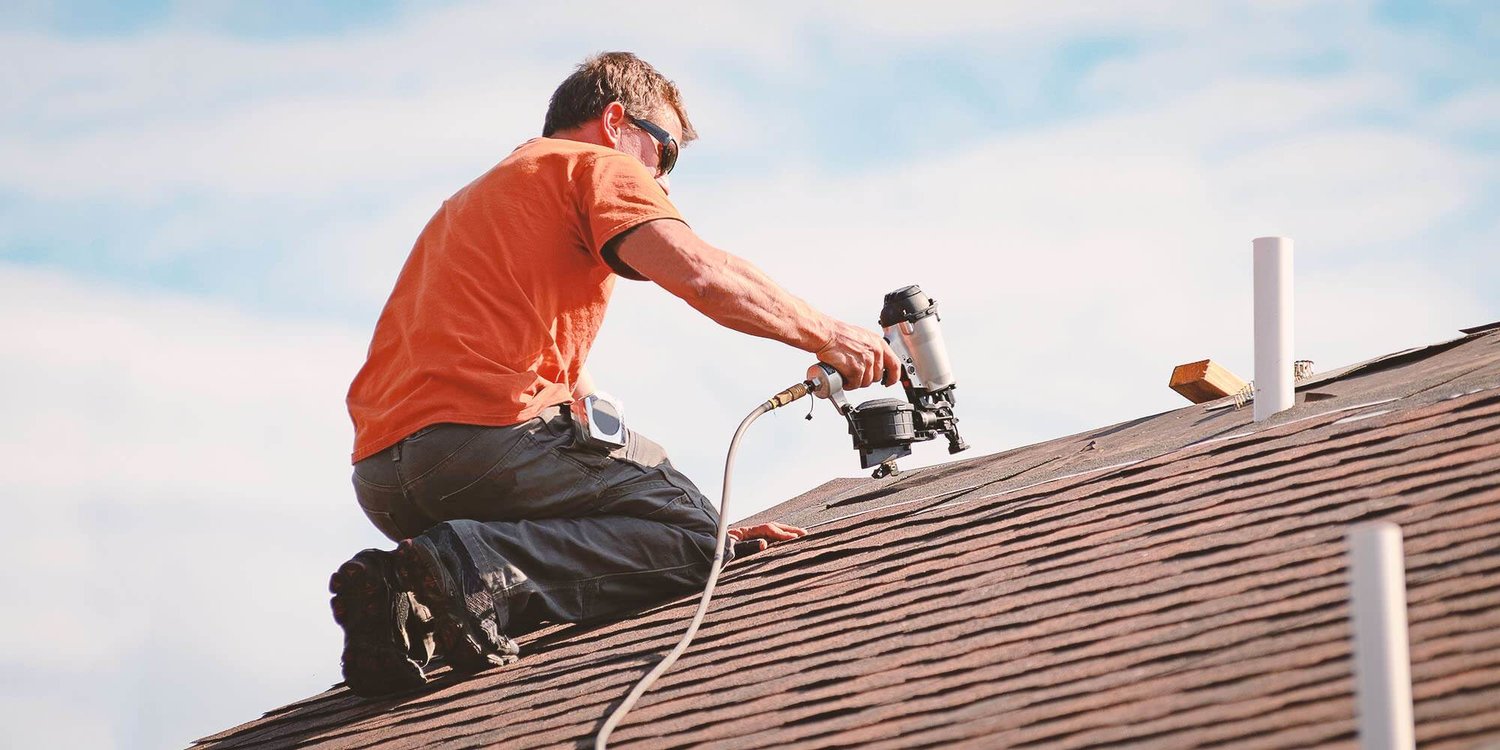
Before diving into a full-scale roof replacement task, it's wise initially to examine the condition of your existing roofing system thoroughly.
1. Visual Inspection
A simple visual assessment will permit you to recognize visible signs such as missing shingles or water discolorations inside your home indicating leaks.
2. Professional Assessment
Consider hiring professional roofer who can supply detailed evaluations that often consist of:
- Structural stability checks Estimates on repair work versus total replacements
Common Roofing Repair work That Don't Need Permits
Some small repair work typically do not require licenses, including:
Replacing specific shingles Minor seamless gutter repairs Sealing leakages with approved sealantsHowever, double-checking regional laws is constantly advisable!
Cost Ramifications Associated To Permitting
Permitting expenses differ from one region to another; hence understanding prospective costs assists spending plan successfully for your project.
|Expense Type|Approximated Variety|| ------------------|----------------|| Application Cost|$50-$500|| Inspection Cost|$100-$300|| Additional Costs|Differs|
Budget appropriately so unforeseen charges do not hinder your general monetary plan!
The Role Of Inspections During The Roof Process
Once you've secured your licenses, evaluations will typically occur at various stages throughout the completion procedure; they serve numerous crucial functions consisting of:
Ensuring compliance with safety standards Verifying adherence to approved plansYour specialist ought to coordinate these inspections-- make certain they schedule them at proper times!
Finalizing Your Task After Completion
After completing all work related to changing your roofing (consisting of any required evaluations), make sure appropriate paperwork exists concerning:
Completed evaluations Finalized permitsThese files are essential if offering down the line!
Frequently Asked Questions (Frequently asked questions)
Q1: Do all states require roof permits? A1: No, allowing requirements differ by state; some states mandate them while others do not-- examine local laws before starting any projects!
Q2: For how long does it require to get a permit approved? A2: The approval timeframe differs considerably depending upon locality; expect anywhere from a number of days up until weeks based http://codynjot376.bearsfanteamshop.com/a-day-in-the-life-of-a-roofing-contractor-what-they-face-on-the-job upon work at developing departments!
Q3: Can I pull my own permit? A3: Yes! Homeowners can use directly at their respective city workplaces-- but working through accredited specialists makes obtaining these easier provided their familiarity with needed paperwork/procedures!
Q4: What occurs if I get captured without a permit? A4: If caught endeavor unpermitted work house owners run the risk of dealing with hefty fines together with having actually rework finished by certified specialists due non-compliance problems arising throughout inspection processes!
Q5: Exist exceptions where no permits are needed even for major remodellings like roofs? A5: While rare exceptions exist-- especially relating to particular small repairs; constantly seek advice from local building departments ahead of time considering that minimum limits differ considerably across regions!
Q6: What's included in normal costs associated with getting roof permits? A6: Normal fees consist of application expenses examination charges plus possible extra expenses incurred depending upon specific jurisdictional guidelines governing projects carried out therein!
Conclusion
In summary, browsing through the intricacies surrounding roof licenses does not need to feel overwhelming-- especially when equipped with understanding! Understanding when licenses are needed considerably aids both compliance efforts while ensuring effective completion without unneeded missteps along method!
So before delving into changing those worn-out shingles or thinking about switching over totally new types like metal roofings remember this key takeaway from our discussion today ... Constantly validate particular requirements laid out by particular towns prior launching any significant renovation undertakings!
By staying informed about license commitments coupled along with partnering experienced professionals costs out projects effectively while keeping peace mind knowing whatever's done right-- and up-to-code every step method forward!